Event Strategy
Part of Event marketing strategy for business audiences
Deciding whether a webinar or in-person session fits the goal
Compare webinars and in-person sessions by the attendee task, location, participation route, accessibility and delivery effort.
A webinar may fit when attendees need an explanation, a screen demonstration or managed questions, and can do that work remotely. An in-person session may suit when the promised result depends on examining a place or object, or on practising with physical materials. Decide by the attendee's main task, then check whether your team can support participation and access in the chosen setting.
Compare what each setting must support
| Decision point | Webinar may fit when… | In-person session may fit when… |
|---|---|---|
| Attendee result | People need a focused explanation, screen demonstration or structured questions | People need to inspect, practise together or work around physical material |
| Audience location | Relevant people are in several places and travel would be a barrier | The audience is local or has a strong reason to gather |
| Contribution | Questions can be managed through a moderator and a clear response route | Small-group exchange or observation in the room is central |
| Delivery work | The team can support the platform, audio, materials and questions | The team can support the venue, travel information and room activity |
These are decision prompts, not performance guarantees. A facilitated webinar can support discussion; an in-person talk can be largely one-way. The programme and participation arrangements determine what attendees can do.
Test the difficult case
Imagine a product update for staff in several Australian offices. If everyone needs the same explanation and a chance to ask questions, a moderated webinar may fit. Check whether people can see the demonstration, hear the speaker, ask a question and access the materials.
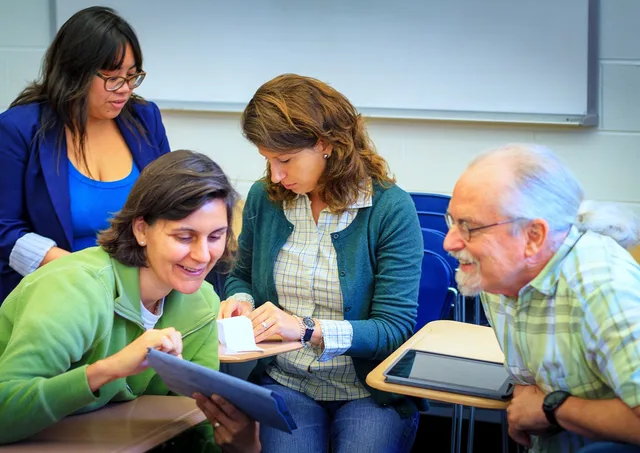
If the outcome is to practise a procedure using equipment, a local in-person session may be the better fit. Check whether everyone can reach and use the space and materials.
Would a remote attendee miss a critical physical step? Would someone have to travel for information they could use just as well online?
If the answer exposes a weak promise, narrow the session or provide another way to complete that part. A stream is only one part of a hybrid event: describe remote participation accurately if you offer it.
Include access and resources in the choice
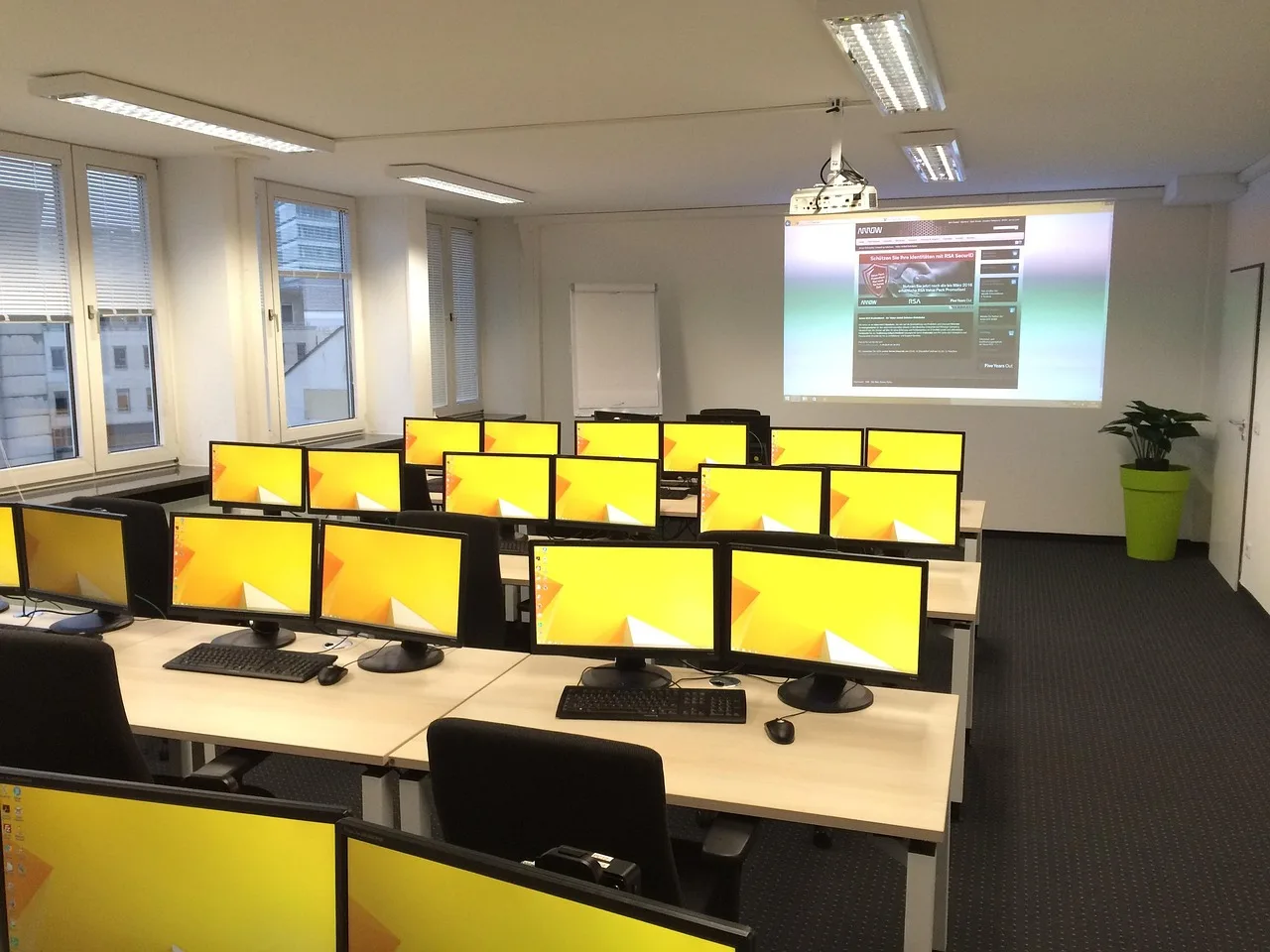
For a webinar, plan readable materials, a clear joining route, captions or other adjustments attendees need, a way to submit questions and someone to monitor that route. Check the proposed setup before inviting people to rely on it. Connectivity and technology can prevent participation, so describe only alternatives you can provide.
For an in-person session, confirm venue access, transport information, room layout and how people will hear and see the activity. Ask about access needs early enough to respond.
Neither format is automatically accessible or economical. Compare the production work, staffing and attendee burden for this event.
Write down why the chosen setting lets this audience complete the main activity. If that reason depends on a platform feature, room arrangement or staff role, confirm it before publishing the invitation.