Event Strategy
Briefing speakers on what attendees should learn
Give event speakers a brief that defines the attendee outcome, useful example, session boundaries and access requirements.

Contributor
What needs to be clarified before choosing an approach? Lachlan Anderson is the editorial byline assigned to this area. Subject: Event marketing. Practical guides, comparisons and the questions behind a choice form this editorial remit. Related coverage: Audience Acquisition. This is an editorial pen name used by the publication, not a claim of an independently verified personal identity.
Event Strategy
Give event speakers a brief that defines the attendee outcome, useful example, session boundaries and access requirements.
Event Strategy
Separate event promotion and production costs while keeping shared expenses, commitments and transfers visible.
Event Strategy
Choose a briefing, workshop, roundtable or demonstration by the task attendees need to complete and the interaction it requires.
Event Follow-Up
Invite useful event feedback after the final message, with a short accessible form and a clear plan for reviewing responses.
Audience Acquisition
Compare event promotion sources with consistent costs and booking rules, then account for attendance, audience fit and uncertain attribution.
Registration Pages
Use one realistic booking, check-in and export scenario to compare Humanitix, TryBooking and Ticket Tailor with their documented limits.
Event Strategy
Shared promotion fails when partners receive materials too late or publish an outdated programme. Build a short calendar backwards from the registration deadline …
Event Strategy
Give event attendees optional, topic-led conversation starters and a clear way to join or leave a networking discussion.
Event Strategy
Compare webinars and in-person sessions by the attendee task, location, participation route, accessibility and delivery effort.
Event Strategy
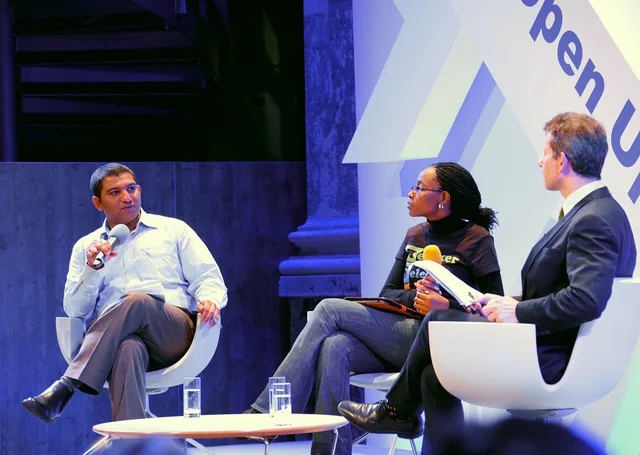
Build a panel around a shared decision, select panellists for meaningful differences and brief a moderator to examine the trade-offs.
Audience Acquisition
Define an event audience, match invitations to roles, choose promotion channels and review who actually attended.
Event Strategy
Coordinate approved event details, campaign release decisions, changes and post-event review.
Event Strategy
An event email sequence should help a registered person attend: confirm the booking, explain what to prepare, send timely venue or joining details, and…
Event Strategy
Plan event promotion, production, staff effort and follow-through, then compare the approved budget with forecasts, actual costs and results.
Event Strategy
Map booking, attendance, CRM handover, tracking and data access before choosing technology for a business event.
Event Strategy
An event partner can introduce a relevant audience to your event, but only if the invitation makes sense to that audience and the work is clear on both sides. Treat …
Event Strategy
Write an event promise that names a useful attendee outcome, shows how the agenda delivers it and helps readers judge fit.
Event Review
Check access after contract end, retrieve available event records, reconcile exports and secure the data handed to a new system.
Event Strategy
A useful partner invitation supplies accurate event facts while leaving room for the partner’s own voice. Send a brief, not a rigid block of promotional copy.
Registration Pages
Set clear purposes, attendee choices and export controls before sharing business event contacts with a partner.
Event Strategy
Define what every edition promises, separate it from date-specific details and check the invitation against the programme.
Event Strategy
Plan event lead capture around a clear purpose, expressed interest, useful handoffs and separate contact permissions.
Event Strategy
Plan remote access to event content, questions and help, then check audio, captions, materials and participation from the attendee's view.
Event Strategy
Plan a recurring event series with a consistent promise, a distinct reason to attend each edition and a fair way to review what should change.
Event Review
Count event-associated qualified opportunities using normal sales criteria, dated records and separate reporting for existing deals.
Event Follow-Up
Define the next buying step, track eligible follow-up records and report outcomes without treating a later sale as proof an email caused it.
Event Follow-Up
Plan post-event follow-up around attendance, promised resources and agreed conversations, with clear owners and a review of what happened next.
Event Follow-Up
Investigate the gap between event bookings and observed attendance without guessing why people were absent.
Event Review
Partner registration volume is only the first screen. Define the intended audience before launch—such as a particular role, sector or experience level—and use …
Event Follow-Up
Assign event follow-up from the attendee's stated issue, check existing account ownership and confirm each promised action has an owner.
Event Follow-Up
Track event resource promises, deliver checked materials clearly and decide separately whether a sales request is appropriate.
Audience Acquisition
Plan webinar invitations that each answer a new attendee question while keeping event facts and permissions consistent.
Event Strategy
Write an event objective around the intended attendee result, then choose evidence that says more than how many people registered.
Registration Pages
Correct event invitations after a venue or date change, including saved copies, partner assets and recipient instructions.