
Event Strategy
Part of Event marketing budgets
Budgeting for promotion separately from event production
Separate event promotion and production costs while keeping shared expenses, commitments and transfers visible.
Give promotion and production separate budget lines. This shows what attracting people costs and what delivering the promised event costs. Set an owner for each group and agree how shared expenses are recorded. The split should clarify funding decisions, not create two totals that do not reconcile.
Classify costs by their main purpose
A designer preparing invitations works on promotion; the same designer preparing session materials works on production. A platform may support both registration and live delivery. Split a mixed contract only when there is a defensible basis and the distinction helps a decision. Otherwise, keep one shared line and note its purpose.
Promotion / Production
- Advertising placements and invitation creative
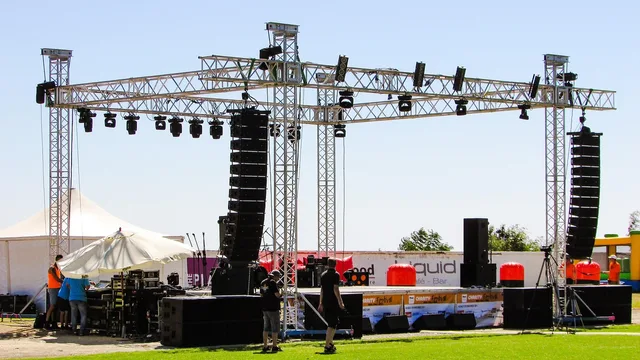
- Venue or webinar delivery
- Campaign page work and partner materials
- Speaker preparation and session materials
- Acquisition campaign management
- Rehearsal and event-day support
This is a planning distinction. Finance may record an invoice differently. Use an agreed rule across the budget and review so costs are neither lost nor counted twice. Record internal staff time alongside outside payments under the same classification rule.
Promotion vs Production Costs in Event Budgeting
- Promotion
- Advertising placements, invitation creative, campaign page work, partner materials, acquisition campaign management
- Production
- Venue or webinar delivery, speaker preparation, session materials, rehearsal, event-day support
Check both plans before committing
Estimate the minimum delivery needed for the published program: usable space or a suitable platform, access arrangements, technical support and enough staff. Also estimate how the intended audience will hear about the event. If approved resources cannot support both an honest attendee promise and a credible route to that audience, revise the event plan before committing to either side.
Set a promotional ceiling and decision points for optional activity. A later placement might depend on remaining capacity, audience fit and what earlier activity delivered. No standard percentage split applies to every event: venue needs, format and existing reach differ. Record the reason for the allocation used here.
Record transfers and commitments
When registrations are slow, check whether placements ran, whether the invitation reached suitable people and whether the offer is clear before moving money from production. Cutting event-day support to buy impressions can leave the event unable to fulfil its promise. When demand exceeds capacity, further promotion may create a delivery problem.
For each group, keep the approved amount, latest forecast, actual cost and committed but unpaid amounts visible. Note deposits and cancellation terms. Give each proposed transfer an owner, reason and effect on delivery or reach.
At review, ask what acquisition work cost and whom it brought, then whether production delivered the promised experience. Reconcile promotion, production and shared lines into one full event cost under a stated rule. A single total cost per registration cannot answer both questions.
Budget Reconciliation Process at Review Stage
- Assess acquisition cost and audience impactReview what promotion spent and whom it attracted
- Evaluate production deliveryConfirm the event delivered the promised experience
- Reconcile all lines under a single ruleCombine promotion, production, and shared expenses into one total cost
- Avoid misleading per-registration costDo not use a single total cost per registration to answer both promotion and production questions